

By Angela Crampton
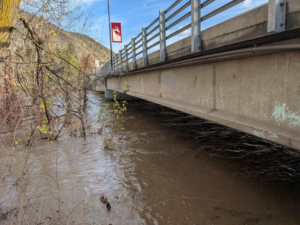
The atmospheric river events of December 2025 left a permanent mark on our landscape. From record-breaking river crests to the high-velocity winds that tore through the valley, the damage has been extensive. As we move into February, the community is shifting from response to the long, hard work of restoration.
The Impact on Our Land and Trails
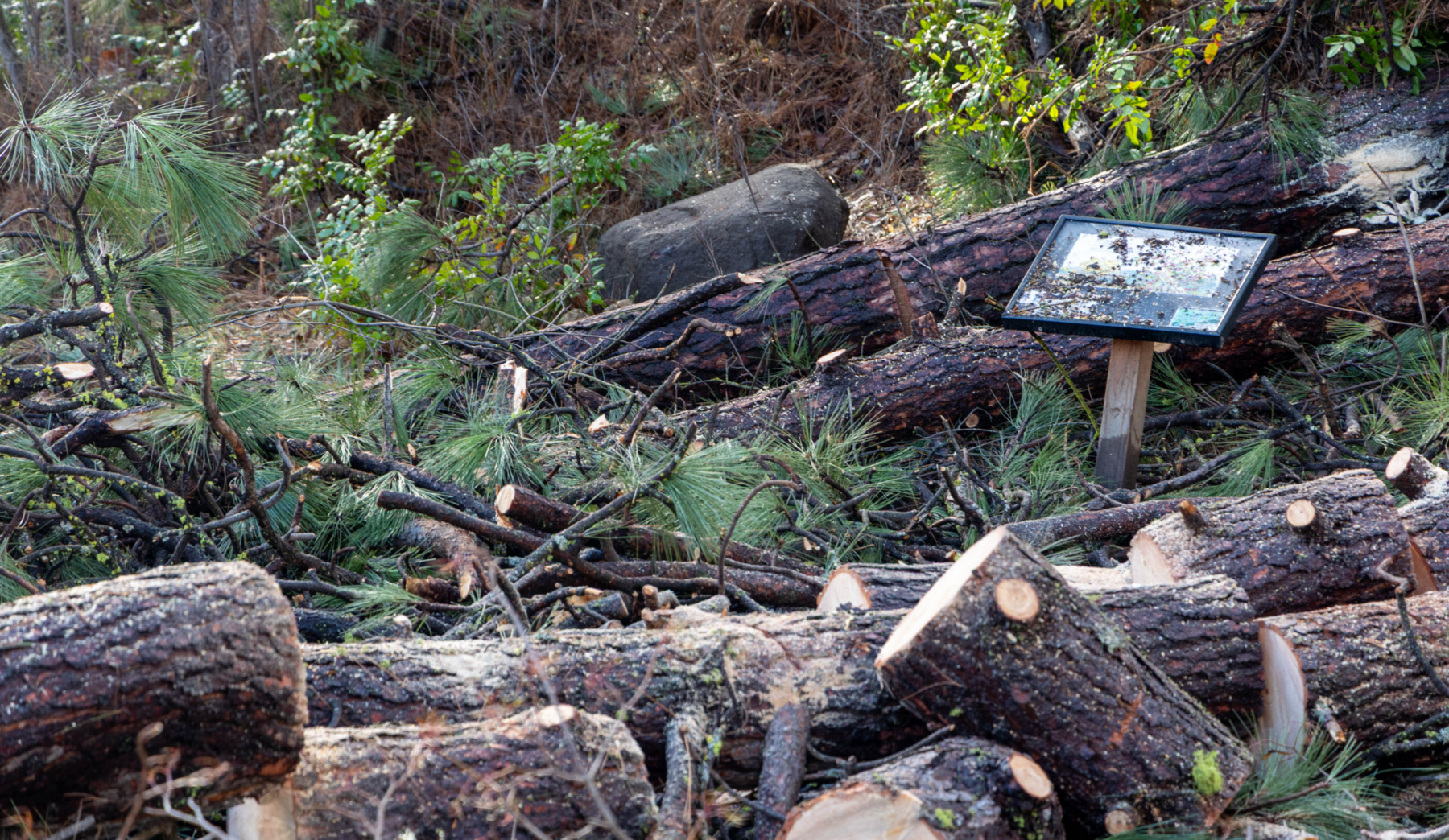
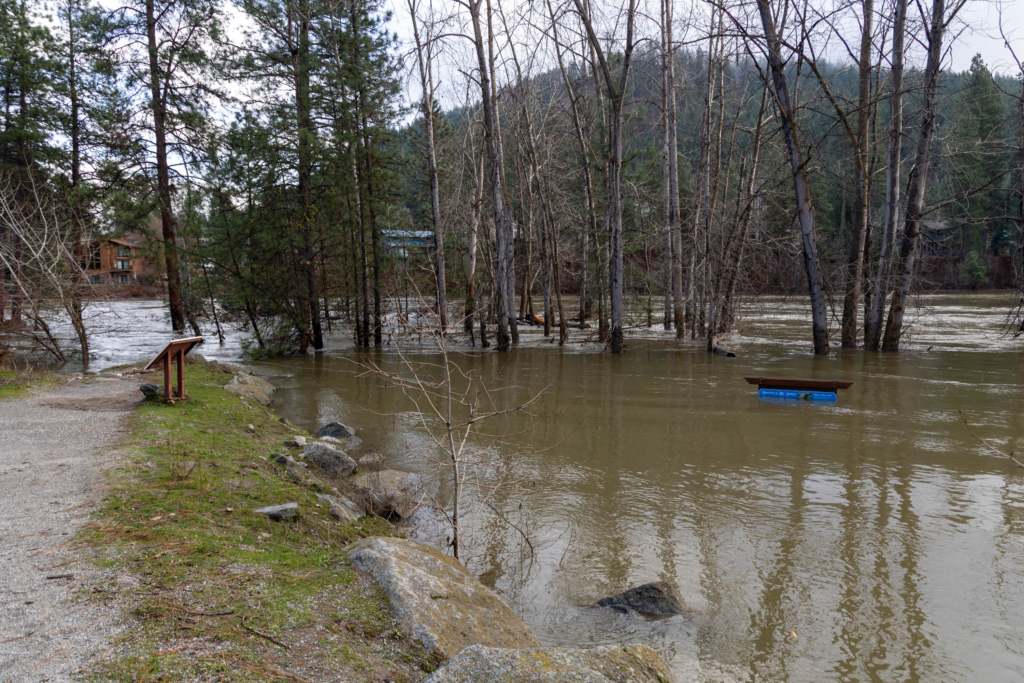
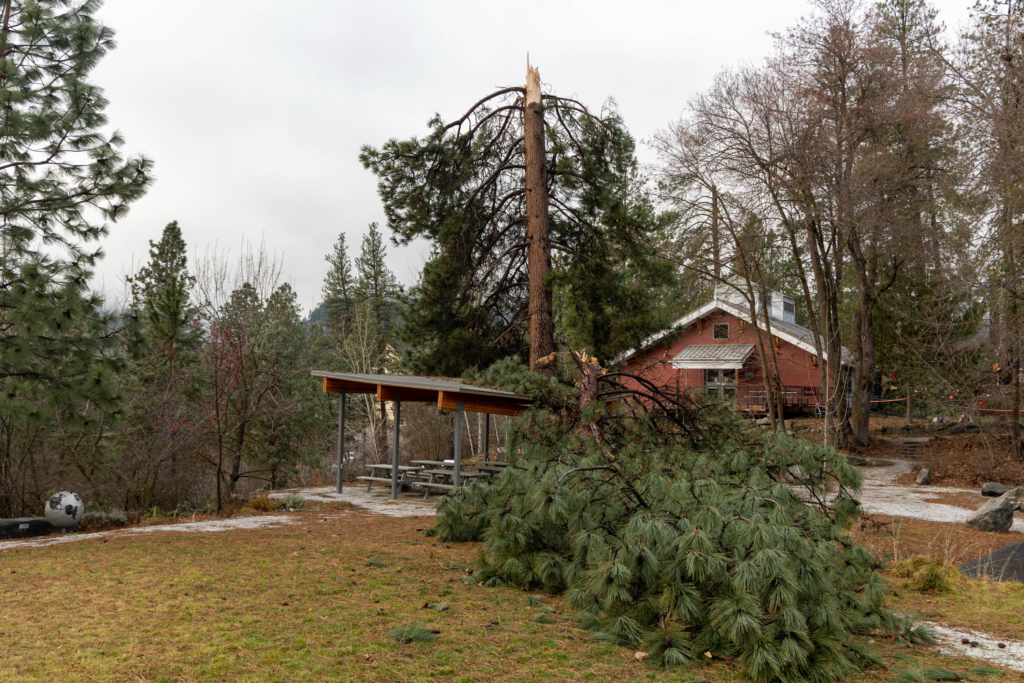
The damage to the Wenatchee River Institute (WRI) campus has been significant. With 20 to 30 trees down, the 13-acre campus is still in the thick of cleanup. Nearby, Blackbird Island was submerged at the height of the flood.
- Blackbird Pond: The pond—a cherished spot where Trout Unlimited hosts youth fishing opportunities—is currently littered with large floating logs and debris. A major cleanup will be required to make this area safe and accessible for kids again.
- Barn Beach: The river didn’t just rise; it completely covered the waterfront trails and signage.
- Leavenworth National Fish Hatchery: The Hatchery has also been a focal point of recovery. Recently, a Washington Department of Corrections (DOC) work crew spent several days clearing massive amounts of woody debris, mud, and sand that had been wedged against the wheelchair-accessible fishing platform along the Icicle River. This effort was critical to reducing risk to the structure and restoring access for anglers.
- Ski Hill: Hundreds of trees were lost across the property. While the lack of heavy snow is a blow to the ski season, it likely prevented even more “tree-falls” by keeping the weight off saturated roots.
A Unique Transition: Signs of Spring in February
We are experiencing a strange weather bridge this year. While we are still cleaning up from winter storms, early signs of spring are appearing weeks ahead of schedule.
Early Blooms: Garden bulbs are already sprouting through the mud, and the local song sparrows—usually a later herald of spring—are already being heard along the river.
Wildflower Outlook: This early thaw comes with a catch. After 2025’s incredible Superbloom, this year may look very different. Without a consistent snowpack to insulate the soil and provide a slow moisture release, our cherished balsamroot and lupine may struggle to reach their full potential.
Concerns for the River and Wildlife
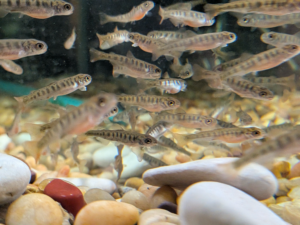
Fish biologists from the WDFW are now assessing the “scouring” effect of the floods.
There is high concern that salmon eggs laid during the fall spawn were washed away or buried. We won’t know the full impact on future returns until population counts are performed. The Wenatchee River remains a critical sanctuary for the threatened bull trout, making habitat restoration a top priority.
How You Can Help
Recovery will take months. If you want to support the restoration of our trails and waterways, consider the following:
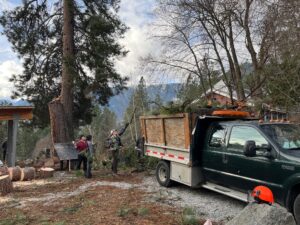
- Join a Work Party: Keep an eye on WRI, Ski Hill, CDLT, and the WTA for volunteer days. Blackbird Island and the fishing pond will need specific hands-on help.
- Support the Experts: Organizations like Trout Unlimited and Cascade Fisheries are leading the charge in habitat assessment and repair.
- Stay Informed: Attend local talks and community events to meet the biologists and land managers doing the heavy lifting.
Current Trail Tip: If you head out to explore, please stay on established paths where possible to avoid further erosion, and be prepared for significant obstacles in heavily wooded areas
Angela is the Outreach Coordinator for the Wenatchee River Institute. She’s passionate about the outdoors and is a WenOut Board Member.
